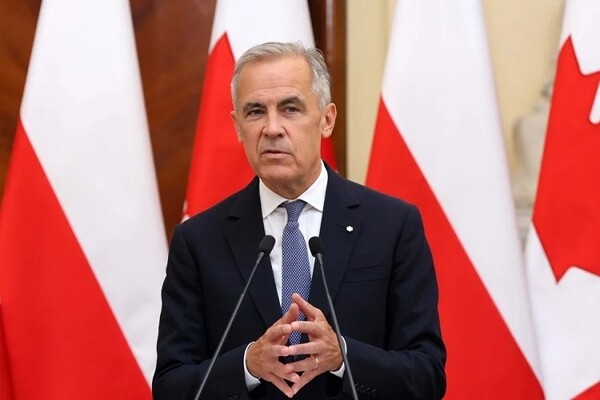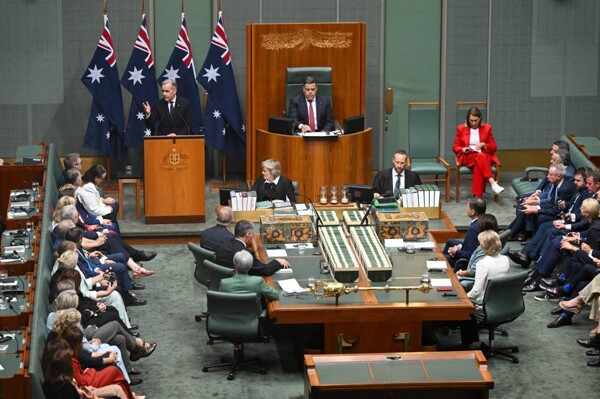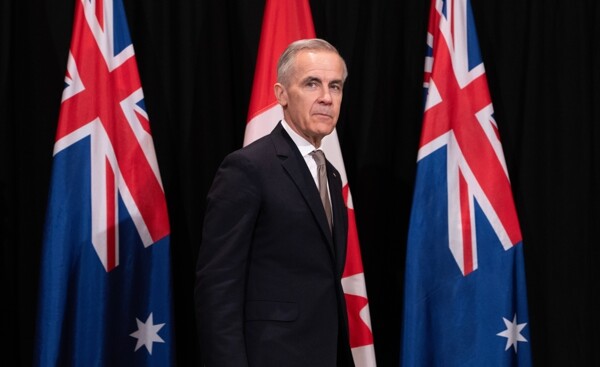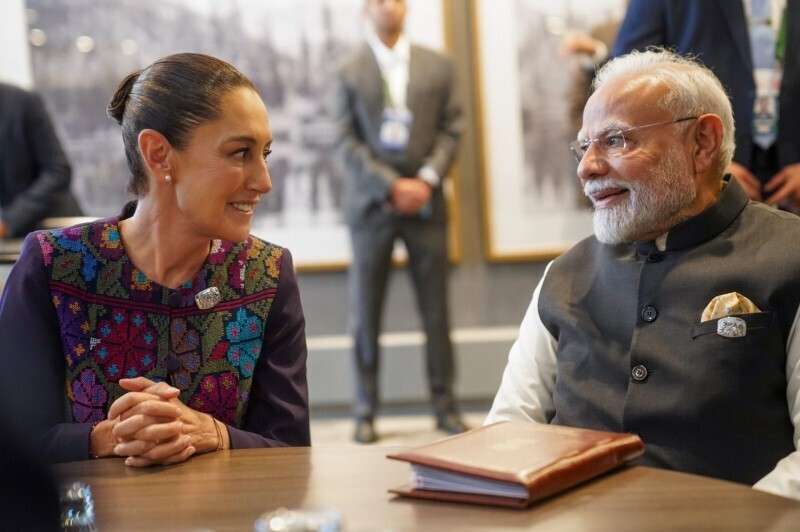
Canada and India are seeking to repair bilateral relations following a period of tension that began in 2023 with the assassination of a Sikh separatist leader on Canadian soil. Canadian authorities alleged the involvement of Indian agents, a claim denied by New Delhi, which led to reciprocal expulsions of diplomats and the freezing of ties. The recent meeting between Bank of Canada Governor Mark Carney and Indian Prime Minister Narendra Modi marked a thaw in relations, though this rapprochement is not viewed favorably by the Canadian public. Mutual interests exist, particularly in the energy sector, with a $2.6 billion agreement for Canada to supply uranium to India's civil nuclear industry. Cameco Corp. has also agreed to supply nearly 22 million pounds of uranium to the Indian government. However, a Canadian newspaper editorial suggests that India's drastic shift in trade agreements has a greater impact on the prospects of a deal with Canada. A new Angus Reid poll reveals that only 30% of Canadians have a favorable view of India. Nevertheless, both countries are working to recalibrate their relationship in a more favorable environment. Amid trade tensions between the US and China, India is also seeking to strengthen ties with Mexico. However, Indian companies, despite having significant capital, lack experience outside Asia, raising doubts in North American business circles about their ability to adapt to the market.