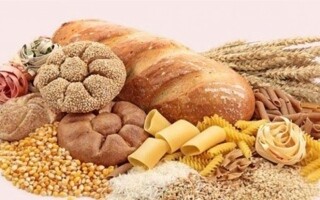
Experts in nutrition have revealed a simple step that could help reduce some of the health harms associated with refined carbohydrates, which have long been linked to weight gain, an increased risk of diabetes, and heart disease. White bread, along with rice and pasta, is one of the main sources of refined carbohydrates that undergo processing, losing fiber and essential nutrients. This results in the formation of what is known as 'resistant starch,' which does not easily convert to glucose, and therefore does not cause a sharp spike in blood sugar, while also enhancing the feeling of fullness in a manner similar to fiber. This benefit is not limited to bread alone, as recent studies indicate that rice, pasta, and potatoes also acquire resistant starch when cooked and then cooled. Nutrition specialist and Canadian medical writer Avery Zinker explains that resistant starch slows the absorption of other carbohydrates into the blood, which reduces the severity of glucose and insulin spikes, helps stabilize energy levels throughout the day, and limits sudden hunger pangs. Zinker clarifies that starch is made of two types of glucose polymers, amylose and amylopectin, and that the heat from the baking process breaks the bonds between these molecules, making them easy to digest. In contrast, cooling or freezing causes them to reorganize into crystalline structures that the body finds difficult to break down, which explains the formation of resistant starch. Fresh white bread contains a low percentage of resistant starch, ranging from 0.5% to 1.7% of its weight, but this percentage can rise to between 1% and 3% after freezing or cooling and then thawing. The increase in resistant starch is associated with several health benefits, including aiding in weight loss and improving the body's sensitivity to insulin.