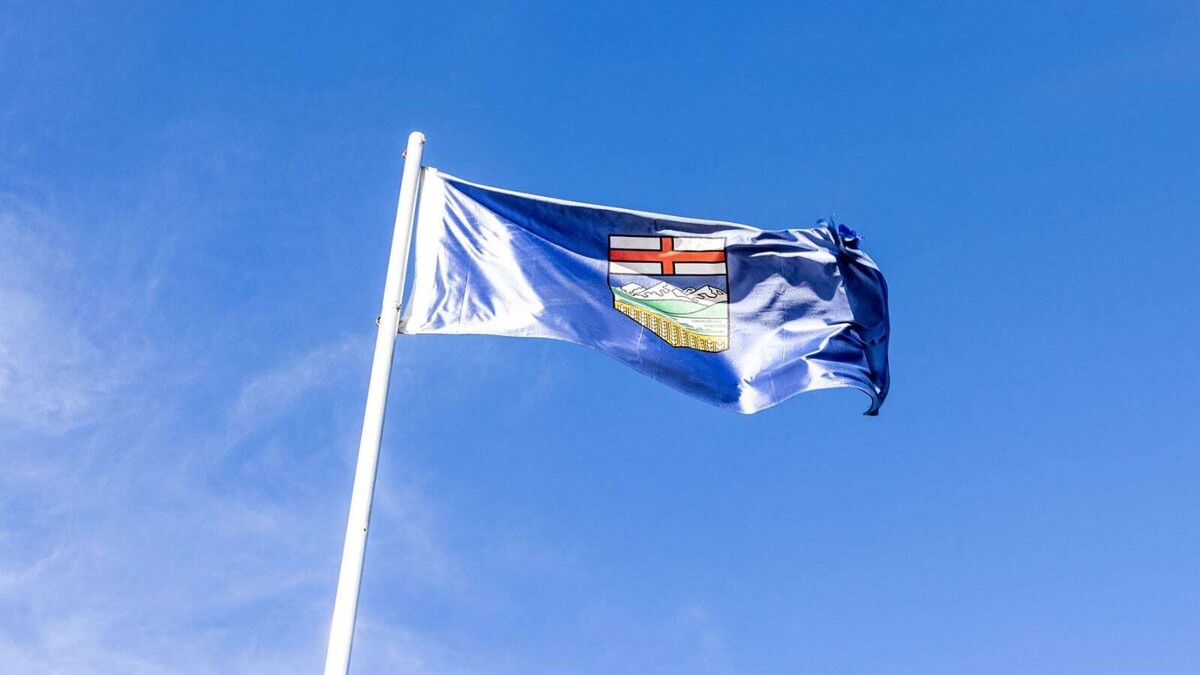
Despite US President Donald Trump's threats to absorb Canada, some voters in Alberta are determined to split it. A long-secessionist movement brewing in the oil province appears poised to reach the polls this year, where residents will be asked whether they want to remain united with the rest of Canada or become independent. Alberta would become a landlocked nation of 5 million people, controlling one of the world's largest crude oil reserves. It is still considered a remote possibility. Some supporters of the movement say they would be delighted if Alberta joined the United States, although that issue would not be put to a vote. However, the reasons for discontent fueling the secession debate are real enough that both the liberal Carney and Alberta's conservative Premier, Danielle Smith, are working to appease them. They reached an agreement last November that could lead to new pipelines to export the province's oil and are trying to convince Albertans that Ottawa is finally showing them more respect. Why does Alberta want to separate from Canada? "Our goal is to do everything we can to bring hope back to the people of Alberta and address some of the real issues that have caused discontent for many," Smith said in an interview. "I am seeking a sovereign Alberta within a united Canada, and I am doing everything in my power to make Canada work." However, Smith's party is one of the main reasons why secession could be put to a vote. Smith, a former talk show host and lobbyist, paved the way for a referendum by reducing the number of signatures needed to call one and giving organizers more time to collect signatures. Unlike other Albertans, most voters in her party support secession or lean toward it, according to polls. But if the secessionists were to win, the consequences for the rest of Canada would be dire. Prime Minister Mark Carney is counting on oil exports to survive Trump's trade war and keep the U.S.-dependent Canadian economy afloat. A portion of Alberta's oil wealth also helps support the budgets of less prosperous provinces, a fact many Albertans resent. That resentment is fueling a petition drive to include secession on the October ballot, with only 177,732 signatures needed by May to trigger a public vote. That threshold is considered so low—6 percent of the voting-age population—that even some opponents say they expect the measure to make it to the ballot. Trump has often spoken of making Canada the 51st state, and leaders of the secessionist movement say they have met with members of his administration, though without revealing who. He also claimed that the October 19 referendum, which could include the secession question along with nine other proposals, is focused primarily on immigration. Smith says she is empowering the people, but her opponents argue it is her latest attempt to capitalize on populist and rebellious sentiments for political gain. Corey Hogan, a Liberal MLA representing part of Calgary, said the separatists are gaining ground thanks to the leeway given to them by some actors in their orbit. The debate, he added, "will divide families and scare off investors."